The New Vanguard: Five Young Leaders Turning 'La Lucha' Into Legislation
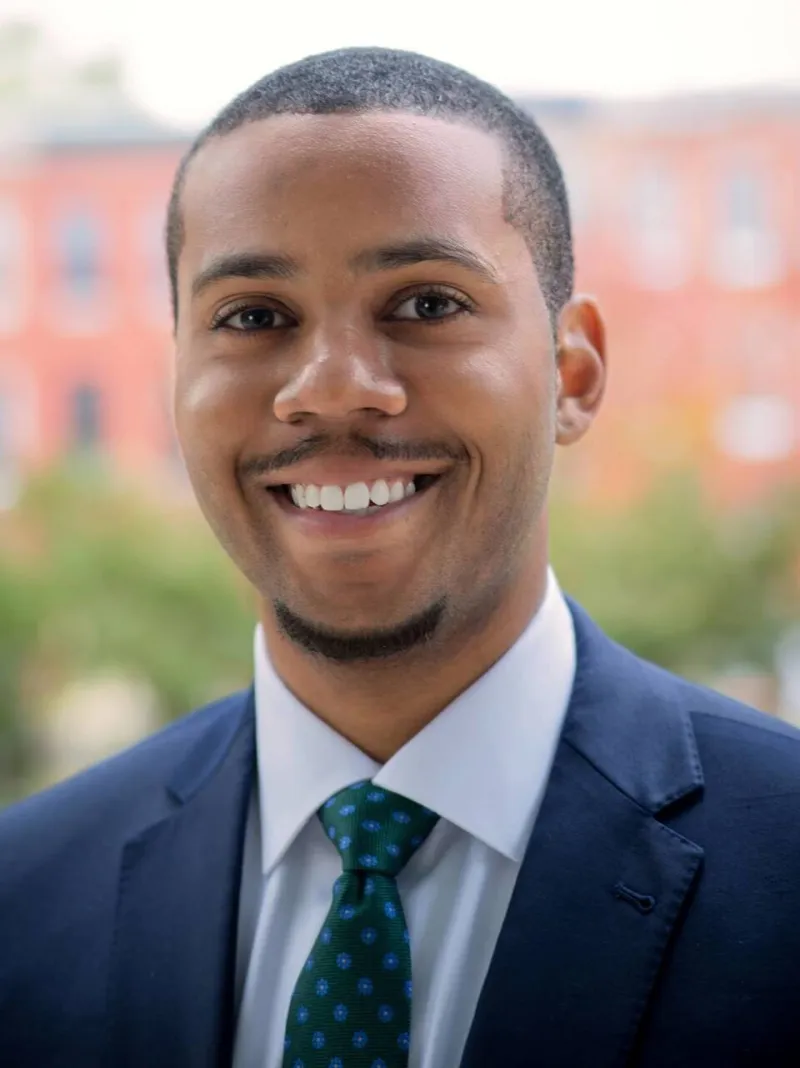
Photo: harrisforbaltimore.com, CC BY-SA 4.0, via Wikimedia Commons
For decades, the advice to young Latino politicos was the same: be careful, be moderate, don't make waves. A new generation isn't listening. These five elected officials and organizers — all under 40 — came out of tenant strikes, union halls, and mutual aid networks, and they brought the movement's urgency with them into rooms that used to be closed to people like them.
Here's what they're fighting for, where they come from, and what the rest of us can steal from their playbooks.
1. The Tenant Turned Legislator
A former housing organizer in the Southwest, she won her state house seat after leading rent strikes during the pandemic. Her signature push: statewide just-cause eviction protections and a right-to-counsel fund for tenants facing displacement. The lesson: she didn't run on 'affordability' as an abstraction. She ran on the specific, unglamorous machinery — eviction courts, zoning boards — where people's lives actually get decided.
2. The Union Organizer Running City Hall's Agenda
In a mid-sized Texas city, a 33-year-old former warehouse worker flipped a council seat by organizing his coworkers first. His platform reads like a UFCW wish list: predictable scheduling, heat protections for outdoor labor, and local wage enforcement with actual teeth. The lesson: he treats his office like an organizing hub, holding monthly worker assemblies instead of standard town halls.
3. The Immigration Attorney Redefining 'Sanctuary'
Rather than waiting on a paralyzed Congress, this Illinois state rep has built a model making her county functionally resistant to federal overreach — legal defense funds, data privacy ordinances, and rapid-response networks staffed by trained volunteers. The lesson: think locally, act structurally. She frames every ordinance as a wall between her neighbors and deportation.
4. The School Board Radical Who Went Bigger
She started at 24 fighting school closures in a gentrifying Denver neighborhood. Now a city councilwoman, she's tying education policy to housing policy — arguing you can't fix schools while pricing out the families who attend them. The lesson: connect the issues. Voters don't experience life in silos, and neither should campaigns.
5. The Mutual Aid Founder Turned Statewide Candidate
After years running a food distribution network in Florida, this organizer is mounting a challenge built entirely on the infrastructure his nonprofit built: tens of thousands of relationships, door by door. His platform — climate resilience, wage floors, disaster relief that actually arrives — reads like a list of what the mutual aid network kept having to patch. The lesson: movements don't just protest. They build the alternative, then run on it.
What La Lucha Looks Like Now
What unites them isn't a slogan — it's a method. Organize first, run second. Govern like an organizer. Treat every budget line as a moral document.
For a movement that calls itself living, this is what that word means in 2025: not nostalgia for old struggles, but new hands on the levers. The revolution isn't just alive. It's on the ballot.