Tamales, Tortillas, and the Quiet Uprising Happening in American Kitchens
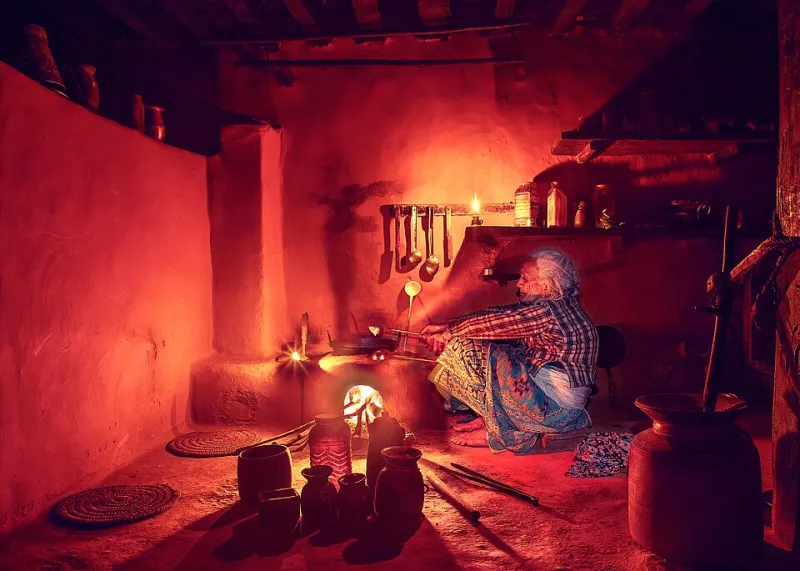
Photo: Mithunkunwar9, CC BY-SA 4.0, via Wikimedia Commons
There's a moment every Latinx kid knows. You're hovering near the stove, asking too many questions, and someone — usually your grandmother — hands you a task. Knead the masa. Strip the corn husks. Stir, but don't stop stirring. It seemed like chores back then. Looking back now, a lot of us realize we were being taught something else entirely: patience, memory, and the radical act of feeding people.
The Kitchen Was Never Apolitical
We tend to picture resistance as megaphones and picket signs. But for immigrant families across the US — from East Los Angeles to Houston's East End to Chicago's Little Village — the kitchen has always been where culture refuses to die quietly. When a school bans kids from speaking Spanish, when a landlord prices out a neighborhood, when someone tells you to 'assimilate,' the answer shows up on Sunday anyway: pozole, pupusas, pasteles de hoja, arroz con gandules.
Cooking traditional food in an American kitchen is a declaration. It says: we are still here, and we brought the recipes with us.
From Comal to Campaign Office
Talk to enough organizers and a pattern emerges. Maria Delgado, who runs a tenant organizing collective in Denver, laughs when asked where she learned leadership. 'My mother fed three families on one paycheck,' she says. 'Every time a neighbor couldn't make rent, we ate together. I didn't know the word 'mutual aid' until I was 25. I knew the practice at eight.'
In Phoenix, the crew behind a immigrant rights hotline got their start running tamaladas — mass tamale-making parties — as fundraisers. What started as a way to pay a bail fund grew into a political operation. 'Nobody comes for a tamale and leaves without talking about the school board election,' one volunteer told me, only half-joking.
Community Kitchens, Real Power
Across the country, the model keeps repeating itself:
- Pop-up kitchens in church basements feeding striking workers
- Refri swaps and recipe zines doubling as voter ed projects
- Café de olla at city council meetings, because it's hard to yell at someone who just handed you a warm cup
Food is the original door-knocking strategy. It lowers defenses. It creates obligations and relationships. Organizers figured out centuries ago what campaign consultants spend millions trying to replicate: trust.
Keep Stirring
If you grew up with these kitchens, you already have the skills the movement needs — feeding people, holding space, showing up. And if you didn't? Find one. Someone's abuela has been trying to teach the whole neighborhood to make masa for years. The revolution doesn't always roar. Sometimes it simmers, low and slow, until everybody's fed and nobody's willing to back down.
La revolución vive. And right now, it smells like toasting chiles on a comal.