Where the Waiting Room Becomes the Front Porch: The Promotoras Rewriting Who Gets Counted
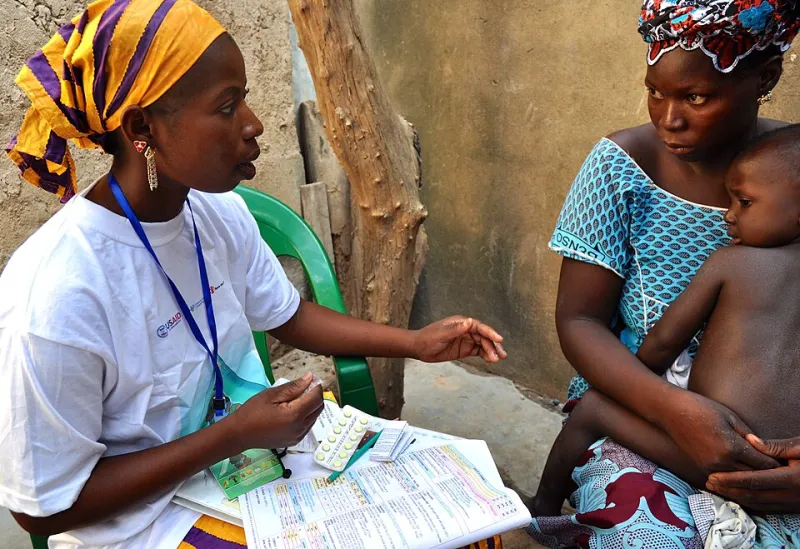
Photo: President's Malaria Initiative, Public domain, via Wikimedia Commons
There's a moment that happens in clinics across this country that no campaign consultant has ever put in a slide deck. A patient sits down across from a promotora de salud — a community health worker who shares their language, their zip code, often their immigration story — and somewhere between the blood pressure reading and the referral paperwork, the conversation drifts. ¿Ya se registró para votar? ¿Sabe lo que va a pasar con Medicaid si pasa tal medida?
That moment, repeated thousands of times a week, is quietly becoming one of the most effective organizing infrastructures in the United States. And almost nobody outside the movement is talking about it.
The Most Trusted Person in the Building
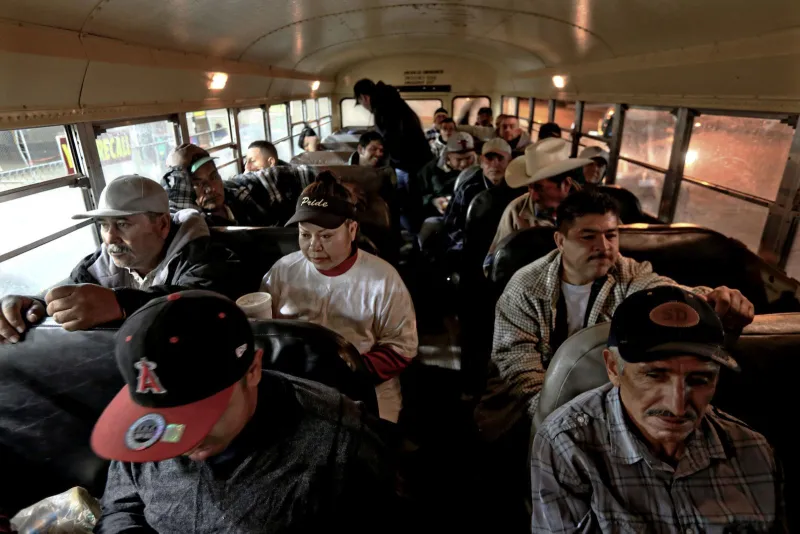
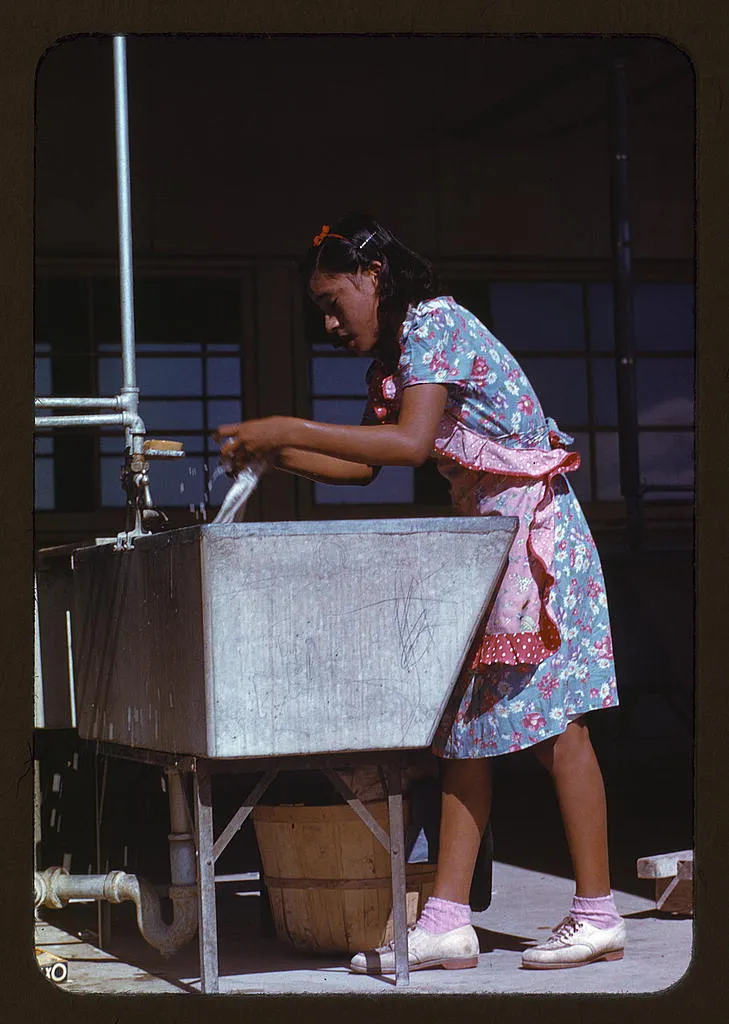
Promotores de salud aren't a new invention. The model stretches back decades — to the United Farm Workers' health initiatives in the Central Valley, to borderland clinics in El Paso and the Rio Grande Valley, to community health centers born out of the civil rights era. The job description is simple and radical at once: meet people where they are, in their own language, and connect them to care.
What's changed is the scope. In counties from Fresno to Houston to Milwaukee, promotoras are now registering voters at the front desk, walking patients through ballot measures that will decide whether their local hospital stays open, and building text-tree networks that activate faster than any phone bank. When a rural ER closes or a prenatal program loses funding, they're the ones explaining — in plain Spanish, without condescension — which elected official signed off on it.
The trust differential is staggering. National surveys have shown for years that Latino voters trust community health workers more than they trust ads, mailers, or even news coverage. A canvasser at your door is a stranger. La promotora who helped your mother navigate her diabetes medication is family.
One Week, Three Promotoras
Spend a week shadowing this work and the scale of it becomes obvious.
Monday starts in a mobile mammogram van parked outside a church in California's Central Valley. The mammograms are free; the conversation is priceless. Between appointments, the promotora aboard keeps a tablet loaded with the county's voter registration portal and a one-page explainer on a state ballot measure that would gut funding for the community clinic network. Half the women in line that morning weren't registered. By lunch, most of them were.
Wednesday takes us to a county hospital in South Texas, where a promotora works the dialysis waiting room. This is not subtle work — it's survival math. The hospital's budget is on the county ballot. Patients understand, viscerally, that a vote against the hospital district's funding measure is a vote against the chair they're sitting in. The promotora doesn't need to persuade anyone. She just needs to make sure they know when and how to vote, and that their ride to the polls is arranged.
Friday ends at a community health center in a Denver neighborhood where the promotora runs what she calls her "cita política" — a standing slot where patients with routine appointments can also get help with registration, mail ballot tracking, or finding out which district they're actually in. Redistricting confused half the block. She fixed that in an afternoon.
Why Health Is the Ballot Question
Here's the thing the political industry keeps missing: for millions of working-class Latino families, healthcare isn't one issue among many. It's the lens through which every other issue comes into focus. Wages, housing, immigration status, environmental pollution — it all shows up eventually in a waiting room.
That's why Medicaid expansion fights, rural hospital closures, and clinic funding measures are where this movement has its deepest roots. When a state refuses Medicaid expansion, promotoras are the ones translating what that means for a neighbor's untreated hypertension. When a maternity ward shuts down 80 miles away, they're the ones organizing the carpool to the county commission meeting.
The organizing follows the care, not the other way around. And that's precisely why it works.
Building Durable Power, Not Election-Year Hype
The cynic's read on all this is that it's just voter mobilization with better branding. The promotoras themselves will tell you something different. The networks they build don't dissolve on the Wednesday after Election Day. The same text list that reminds someone to vote also alerts them to a free screening day, a rent counseling session, a school board fight over bilingual education.
That's what durable power looks like — a permanent infrastructure of trust that candidates have to come to, not the other way around. In a handful of counties already, hospital board races and county commission seats have flipped because the clinic became the campaign headquarters nobody recognized as one.
La Revolución Takes Your Vitals First
There's a lesson here for every organizer reading this: the revolution doesn't always look like a march on a state capitol. Sometimes it looks like a folding chair in a clinic hallway, a clipboard, and someone who speaks your language asking if you've had your say.
Healthcare access and political power have always been the same fight wearing different scrubs. The promotoras figured that out a long time ago. The rest of the movement is catching up — one appointment at a time.
If there's a community health center near you, ask them if they run a promotora program. Ask how you can support it. And the next time someone tells you our communities don't vote, tell them about the waiting rooms. Tell them about the vans. Tell them la lucha has a pulse, and it's being checked every single day.