When the Sheriff Shows Up at the Organizing Meeting: Can Rural Law Enforcement Really Change?
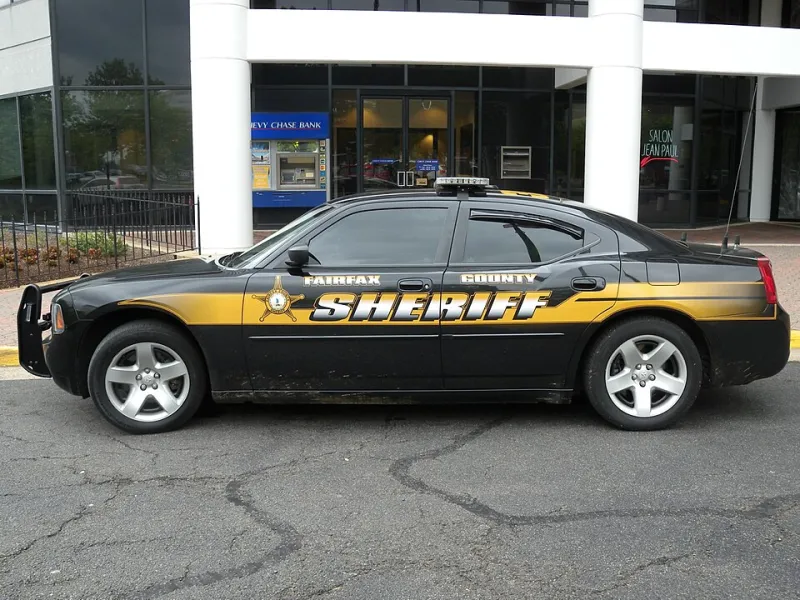
Photo: Cliff from Arlington, Virginia, USA, CC BY 2.0, via Wikimedia Commons
The county courthouse in Yakima Valley country doesn't look like a battleground. It looks like every other brick building in a farm town — flag out front, plaque with the sheriff's name, a parking lot full of dusty pickups. But for years, that name on the plaque was a warning to the families who picked the state's apples and packed its cherries. Don't call. Don't ask questions. Don't be seen.
That's changing in a handful of rural counties, and the way it's changing says a lot about where the lucha goes next.
From Protest Line to Conference Room
In three majority-Latino counties our reporting team tracked — one in Washington's fruit belt, one in California's Central Valley, one in the Texas coastal bend — sheriffs' departments have quietly launched community advisory boards, bilingual victim-services units, and know-your-rights workshops run in partnership with the very organizations that once organized boycotts against them.
Yes, in partnership. The same advocates who once stood outside the county jail with megaphones are now inside the conference room, sitting across from commanders, arguing over policy language in two languages.
Advocates in Yakima Valley describe the shift in plain terms: deputies who once waited for a call now attend the monthly reunión. Victim advocates who used to work out of a voicemail box now staff a bilingual hotline. A know-your-rights curriculum — the kind activists used to hand out in parking lots, half-hidden from view — is now co-branded with the department's own seal.
"We used to yell at the building," one longtime organizer told us. "Now we write the policy the building follows. That's not surrender. That's leverage."
Accountability or Optics?
Let's not romanticize it. The skeptical read writes itself.
A sheriff facing a fast-growing Latino electorate has every political incentive to look reformed. Advisory boards with no subpoena power can become what one critic called "a piñata full of air" — colorful, official, empty. Bilingual press conferences can mask budgets that never fund the bilingual staff. And a department can co-brand a know-your-rights workshop while its deputies still ask about immigration status during a traffic stop on Highway 99.
The pattern of concern among organizers is familiar: reform as branding. A sheriff who wins headlines for the advisory board while quietly resisting a consent decree has turned the community's victory into his campaign mailer.
So how do you tell the difference? The organizers we spoke with have a working test, and it comes down to three things.
Budgets, not banquets. Did the department fund the bilingual positions permanently, or is it grant-dependent and revocable at the next election? Money is the confession. Press releases lie; line items don't.
Power, not presence. Does the advisory board get to review use-of-force cases and hiring standards, or just host a tamale fundraiser? Presence at meetings without power over outcomes is community theater.
Survival after the election. The sharpest test: what happens when the reformist sheriff retires or loses? Reforms that live in policy and union contracts survive. Reforms that live in a sheriff's goodwill die with his term.
What Organizers Are Learning About Turning Adversaries Into Negotiators
The deeper lesson here isn't about sheriffs. It's about strategy.
For decades, the movement's rural playbook was confrontation-first: march, document, litigate. It worked — it built the pressure. But confrontation alone leaves you outside the building forever. What these counties show is a second act: convert pressure into a seat at the table, then use the seat to lock in what the streets won.
A few lessons travel well beyond law enforcement:
The protest built the table. Nobody sits down with organizers who have no organizing. The advisory boards exist because the boycotts, the voter registration drives, the church basements full of ciudadanía classes created a constituency a sheriff couldn't ignore. Negotiation isn't a replacement for pressure. It's what pressure buys.
Coalitions inside the system need anchors outside it. The strongest advisory boards are the ones where the organizing groups kept their independent base — their own meetings, their own media, their own ability to fill a courthouse square on a week's notice. The moment the board becomes the whole relationship, the department controls the thermostat.
Bilingualism is infrastructure, not decoration. A victim-services unit that answers in Spanish changes who reports a crime, who testifies, who trusts the system enough to engage with it at all. Language access is one of the few reforms where you can measure impact in months, not decades.
Write it down before the handshake. The agreements that stuck were the ones in county code, in contracts, in standing policy — not in the sheriff's campaign promises. Organizers in the Central Valley put it bluntly: if it's not in writing, it's a mood.
The Long Game
No one we spoke with claimed the revolution had arrived at the county sheriff's office. Deputies still get it wrong. Trust, broken over generations, doesn't get repaired in one budget cycle. Some families will never call, and they're not wrong to hesitate.
But something real is happening in these counties, and it rhymes with the broader story this movement has been telling for a century: power concedes nothing without demand — and when it finally does concede, the demand has to be ready with a plan, a policy, and people in the room who won't leave until the ink dries.
The sheriff who shows up at the organizing meeting isn't the victory. The victory is the meeting that happens whether he shows up or not — and the organized community that now writes the terms of his showing up.
That's how the revolution lives: not in one election, not in one reform, but in the slow, stubborn conversion of adversaries into counterparts. Condado por condado.