From the Comments Section to the Committee Binder: When Lawmakers Start Citing the Movement's Press
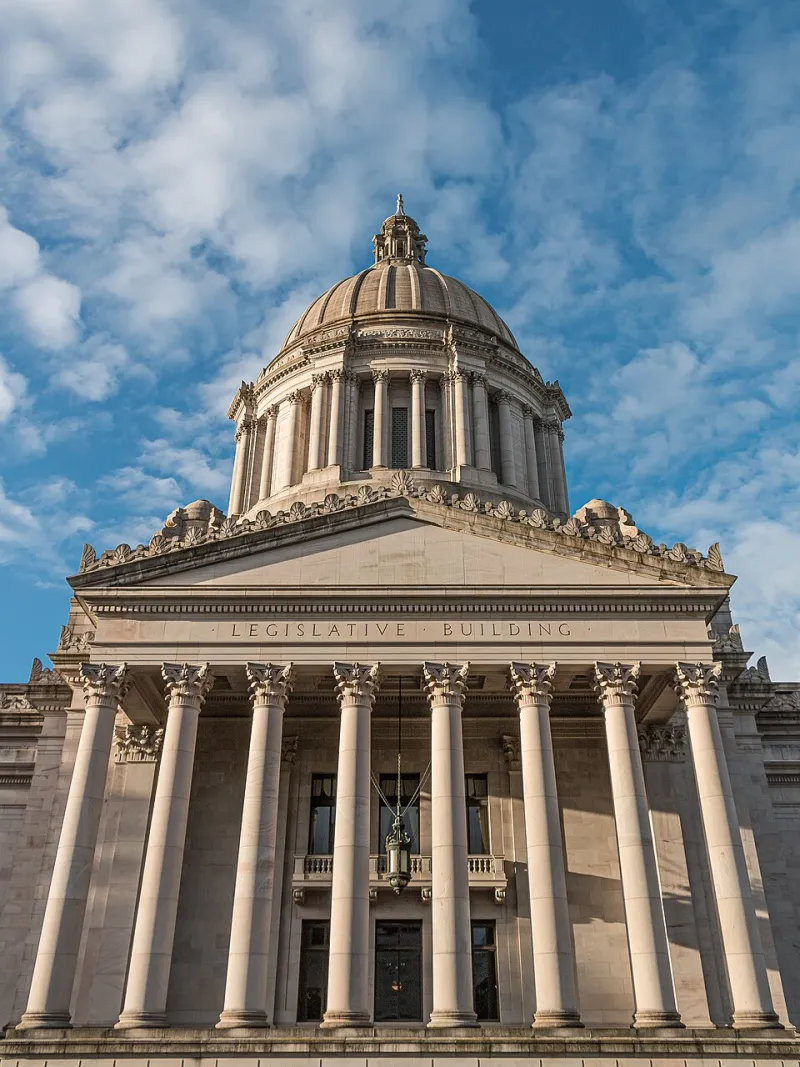
Photo: Martin Kraft, CC BY-SA 4.0, via Wikimedia Commons
There's a moment every editor dreams about and dreads in equal measure. For the team behind Revolución Viva, it arrived on a Tuesday afternoon in Sacramento, when a bilingual legislative aide emailed to ask for permission to reprint one of our explainers — on wage theft enforcement, of all things — in a committee briefing packet.
We said yes. Then we sat back and stared at each other.
How Did We Get Here?
It started the way most things in independent media start: out of frustration. Our readers kept asking the same questions about state policy — how a new labor bill would actually reach a warehouse floor, what a county ordinance meant for a family renting by the room, who to call when a landlord ignored a repair request in two languages. Official press releases answered none of it. So we wrote the explainers ourselves.
We wrote them the way you'd explain things to your tía over coffee: plain Spanish, plain English, no jargon, receipts included. We named the agencies. We listed the deadlines. We quoted the workers the bills were supposedly written for.
What we didn't anticipate was who else was reading.
The Aides Are Reading, Too
Talk to staffers in three different statehouses — one on the West Coast, one in the Southwest, one in the industrial Midwest — and a pattern emerges. Bilingual aides, many of them first-generation college graduates and children of immigrants, have quietly become the bridge between our coverage and the policy process.
"Your explainer did in 800 words what our office couldn't do in a month," one legislative staffer told us, asking not to be named because she wasn't authorized to speak. "We handed it to the committee chair and said, this is what people are actually asking."
In one case, a piece we published about language access in state emergency services was read aloud — in translation — during floor debate. In another, a committee analyst cited our reporting on farmworker heat protections in a bill analysis. We didn't lobby for any of it. We just wrote what our readers needed to know.
Activist Journalism, Government Accountability, and the Gray Zone
Let's be honest about what's happening here, because it's stranger than it looks.
We are not an official source. We have no press badge that opens doors, no bureau budget, no lawyer on retainer. We are a movement publication — our mission statement says so, our funding model says so, and our comment section certainly says so. And yet the machinery of government is treating our work as a de facto accountability arm, filling gaps that legacy outlets and official summaries leave wide open.
That's a win, mostly. It means the questions our communities ask are finally shaping the record. When a senator reads a constituent's real concern into the congressional record — even secondhand, even from a website with a protest banner on its homepage — that concern becomes harder to ignore.
But there's a risk, too. When activist journalism gets cited by power, power starts treating it as a substitute for action. A cited article is not a passed bill. A committee binder reference is not a funded program. We've watched offices photocopy our reporting and then vote against the very policies it described.
What We Owe Our Readers
So we've set some rules for ourselves, and we think other movement outlets should too.
First: we write for our readers, never for the staffers. The moment an explainer gets softer to stay quotable, it stops doing its job.
Second: we say what we are. Every piece that ends up in a government document carries our name and our politics with it. That's not a bug. Lawmakers should know exactly whose questions they're answering.
Third: citation is a beginning, not a victory. When our work shows up in a statehouse, we ask our readers what happened next — and we report on that, too.
The Revolution Reads
There's a line we come back to a lot in this newsroom: la revolución vive — but only if people know what they're fighting for. Information is the first supply line of any movement. The fact that a folded printout of one of our articles can travel from a kitchen table in Fresno to a committee room in the capitol says something hopeful about how power actually moves.
It moves through people who were never supposed to be in the room, carrying questions the official channels refused to answer.
Keep reading. Keep asking. And keep emailing us when your statehouse quotes us — we want to know, and honestly, we want to hold them to it.