Kitchen Table, Ballot in the Mail: The Volunteer Crews Out-Organizing Paid Consultants
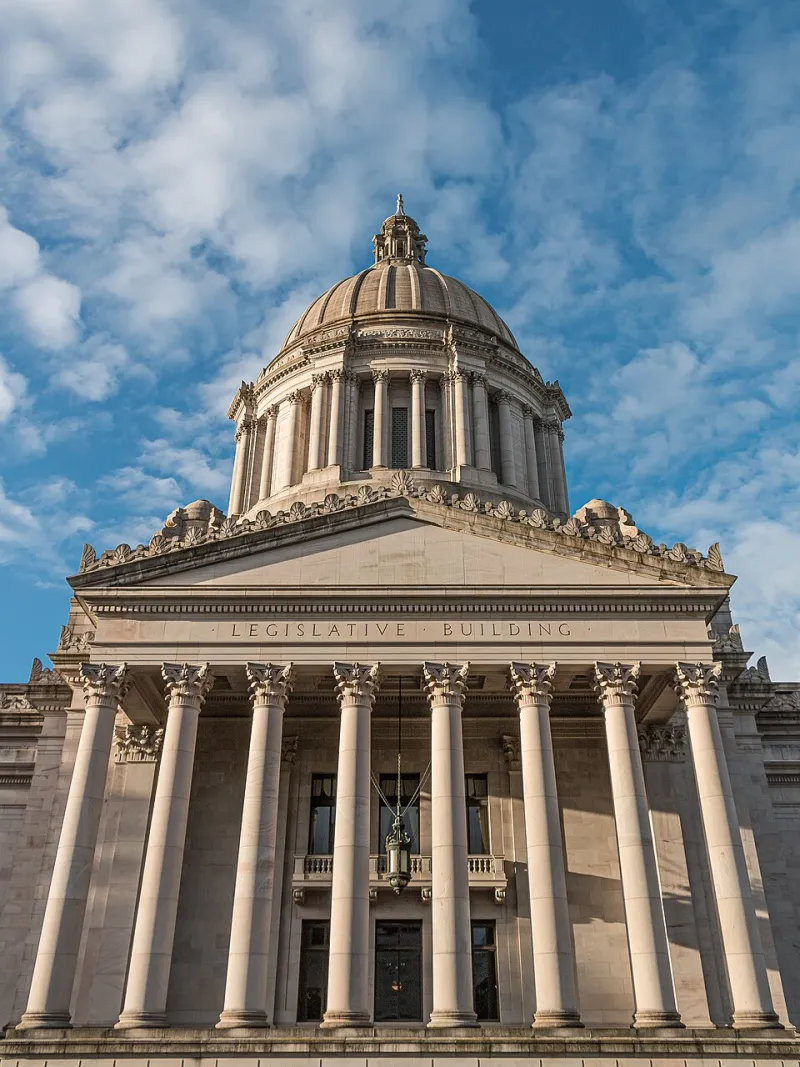
Photo: EgePro31, CC BY-SA 4.0, via Wikimedia Commons
The printer on Marisol Vega's kitchen table in Reno has been running since September. It groans through trifold voter guides — Spanish on one side, English on the other — while her niece folds and her comadre stamps. By November, this crew of eleven volunteers will have mailed more than 14,000 pieces. Total consultant budget: zero dollars.
"People act like you need a firm in Washington to reach voters," Vega laughs, wiping toner off her hands. "You need a kitchen. You need papel. You need tías who don't quit."
The Mailbox Is the Last Unfiltered Inbox
Here's the math that got them started. USPS marketing mail costs roughly 17 to 20 cents a piece at commercial rates — and unlike email or texts, it can't be filtered, muted, or buried by an algorithm. In a cycle where campaigns are burning millions on digital ads that voters scroll past, a handwritten-addressed envelope still gets opened.
The crews learned to work the system. Nonprofit postage permits. Bulk rates through a friendly print shop. Standard post flats that cost less per household than a single click on Meta. What looks like a grandma's hobby is actually a precision operation built on postal regulations most people have never read.
Allentown: Tracking Every Ballot Like a Hawk
Three time zones away in Allentown, Pennsylvania, a second crew runs a different playbook. Instead of blanketing zip codes, they chase confirmed vote-by-mail requests. When the county elections office posts its daily ballot file, volunteer data lead Rubén Ortiz cross-references it with their walk list — every registered voter in the 18102 who requested a mail ballot.
Then comes the part that's pure 2024: ballot tracking. Pennsylvania voters can sign up for text alerts when their ballot is mailed, received, and counted. Ortiz's crew signs up entire buildings. If a ballot sits unreturned for a week, someone gets a knock on the door or a call from a neighbor who speaks their language.
"We cured more ballots than some county parties," Ortiz says. "If your envelope has a mistake, we find you, we fix it, we drive it over. That's not a GOTV program. That's familia."
Why Snail Mail Beats the Algorithm
Digital organizers will tell you the same thing privately: email open rates are collapsing, text spam gets blocked, and every platform raises prices exactly when it matters most. Mail has none of those problems. It sits on the kitchen counter next the cafetera. It gets read at the table, sometimes out loud, sometimes to a parent who doesn't read English.
That's the bilingual advantage. The Nevada guides lead with plain-language explainers: how to fix a signature mismatch, where the drop boxes are, what ID you need. The Allentown crew prints QR codes linking to Spanish-language ballot tracking. The paper does the organizing even when the volunteer goes home.
No Consultants, No Gatekeepers
What makes these crews a movement story and not just a campaign story is who they answer to. Nobody hired them. Nobody can fire them. They're church ladies, warehouse workers, a retired mail carrier, two community college students — people who got tired of waiting for someone with a budget to reach their neighbors.
The model spreads the way good organizing always does: a recipe passed along. There's now a shared spreadsheet — passed between Nevada, Pennsylvania, and crews forming in Arizona and Georgia — with the postal rates, the print vendors who won't price-gouge you, the ballot-cure scripts, the folding technique that survives the mail sorter.
La Casilla Está en Casa
Election night will tell its own story. But the crews have already won something: proof that the movement doesn't need permission to reach its own people. The most reliable delivery system in America is run by the federal government, costs pennies, and answers to nobody's algorithm.
Vega puts it simply, the way abuelas do: "They built the filters. We built the mail. La casilla está en casa — the mailbox is at home, and so are we."
The printer in Reno is still running.