Las Abuelas Are Coming for the Voter Rolls: Inside the Quiet Power of Grandma Organizing
Photo: Dietmar Rabich, CC BY-SA 4.0, via Wikimedia Commons
Every Tuesday at 10 a.m., the same scene repeats in a living room in San Antonio: a folding table, a plate of pan dulce, three landline phones, and a stack of voter registration forms thick as a phone book.
The women around that table range from 63 to 84 years old. They call themselves Las Comadres del Voto, and by the time the coffee pot is empty, they'll have made two hundred calls.
If your mental image of a political operative is a twentysomething with a laptop and a lanyard, you're about a generation behind.
The Original Grassroots
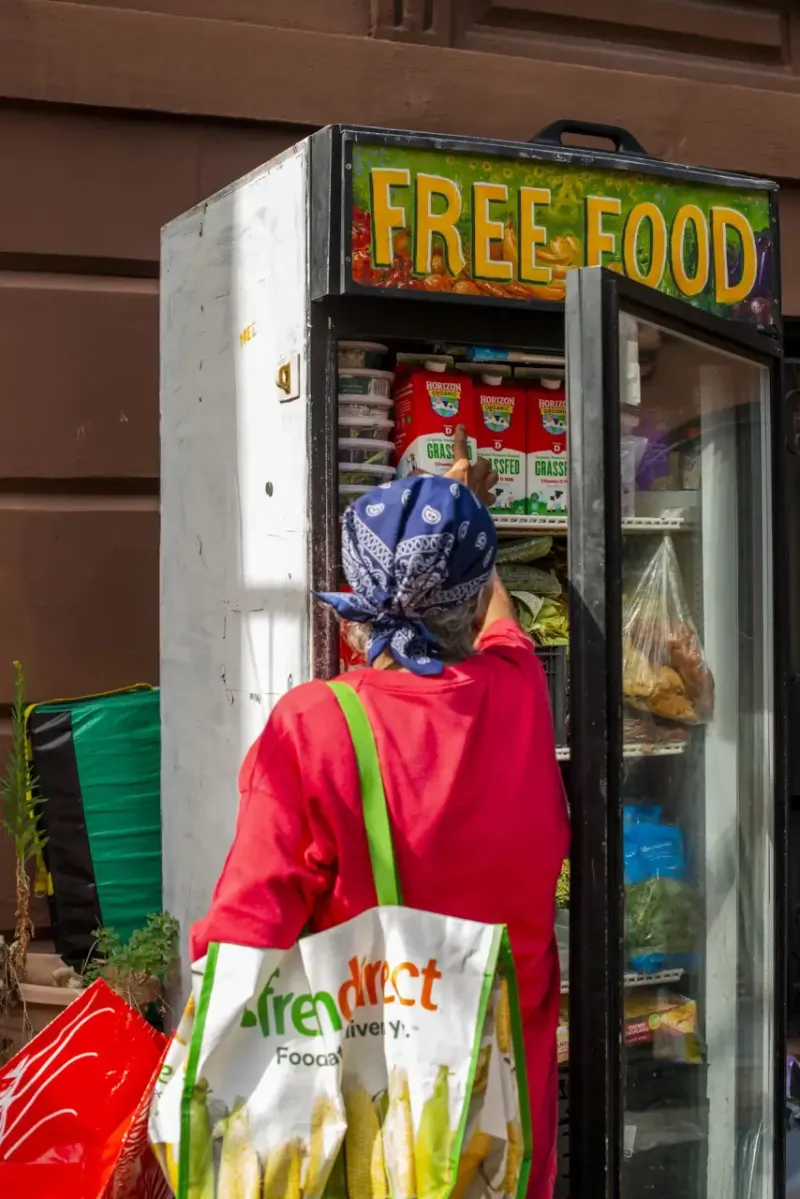
Organizers and political scientists have spent years focused on youth turnout — and rightly so. But in barrios and small towns across the Southwest, Florida, and the Rust Belt, the engine of voter engagement is often a woman in her seventies with decades of community trust behind her and a church directory on her fridge.
These women aren't learning politics. They've lived it — organizing church raffles, school fundraisers, funeral meal trains, and neighborhood watch networks since before today's campaign consultants were born. The skills translate perfectly. A phone-banking script is just a conversation, and nobody conducts a conversation like an abuela.
"They call me and they don't hang up," says Elena Ramírez, 71, who founded Las Comadres after retiring from forty years as a school crossing guard. "The young volunteers, they read a script and people say no gracias. Me? I ask about their mother. Their mother knows me."
Trust Is the Currency
That's the abuela advantage: credibility that no PAC can buy. In communities where institutions have historically failed or ignored Latino families, the word of a trusted elder carries more weight than any ad buy or text message campaign.
Grassroots groups have noticed. Several national voter engagement organizations now build "promotora-style" programs specifically around elder women, training them as community liaisons and compensating them for their time. The results, organizers say, outperform traditional canvassing in low-turnout precincts.
In Nevada's 2024 cycle, one coalition credited its abuela-led phone circles with lifting turnout in working-class Las Vegas wards by double digits over prior midterms. In Florida's citrus belt, grandmothers ride church vans to registration drives outside grocery stores and laundromats.
Kitchen Table, Meet Political Table
The transformation often begins at home. Political scientists have long observed a "trickle-up" effect: when an elder woman in a household commits to voting, younger family members follow. Abuelas don't just cast one ballot — they deliver households.
"My grandson used to say his vote didn't matter," Ramírez says. "Now he drives me to the polls and waits in the car. I told him, 'If you're waiting, you're voting.'"
There's also a deeper motivation, one that organizers hear again and again: legacy. Many of these women remember parents who were discouraged from voting, poll taxes, English-only ballots. Registering voters isn't a hobby for them. It's a correction of history.
The Movement's Underrated Backbone
Youth activism gets the headlines, and it deserves them. But revolutions are built on more than energy — they're built on relationships, patience, and follow-through. Nobody has more of those than the women who've spent a lifetime holding communities together without recognition.
So the next time a campaign brags about its digital operation, remember the folding table in San Antonio. Remember the pan dulce, the landlines, the two hundred calls.
The abuela lobby isn't asking for a seat at the table.
They built the table.