El Baile No Para: Why the Card Table at the Quinceañera Might Be the Most Effective Organizing in America
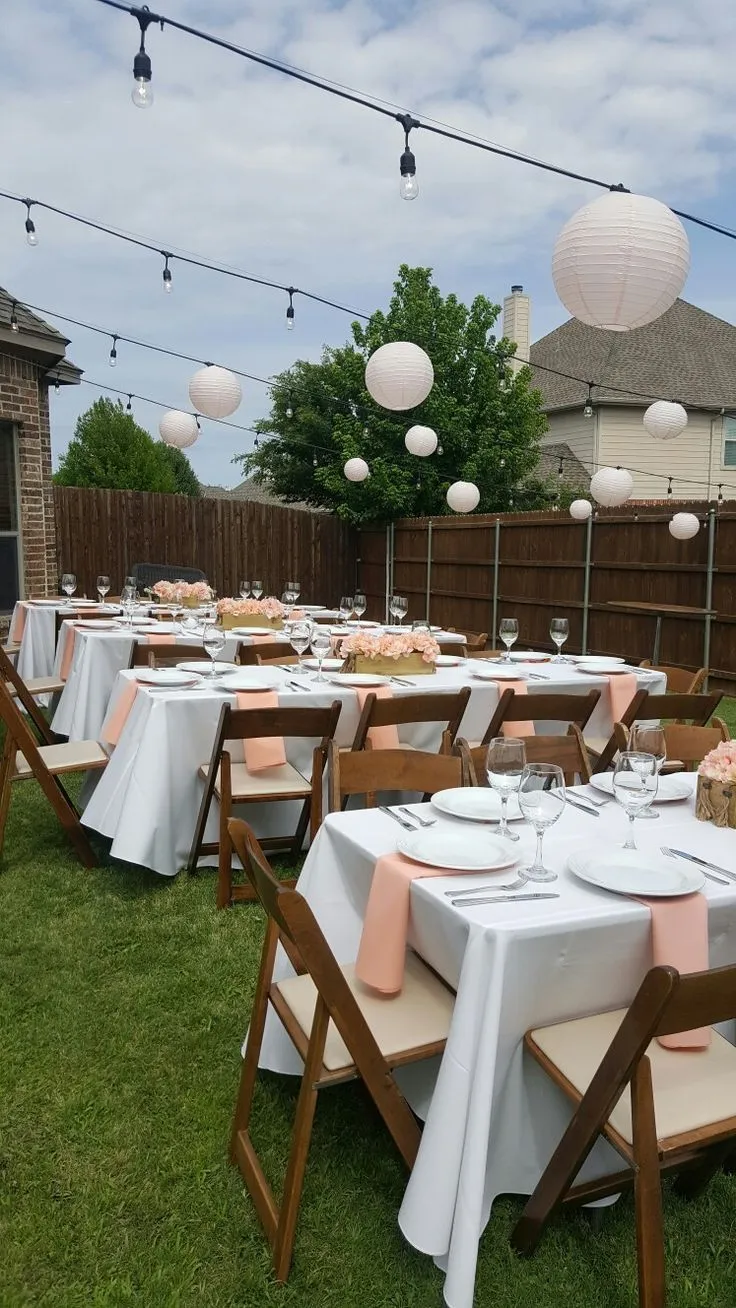
Photo: backyard quinceanera celebration party folding table community gathering, via i.pinimg.com
The invitation says it's a quinceañera. And it is — the dress is rented, the chambelanes have rehearsed their waltz for weeks, and there's a three-tier cake waiting in a cooler. But look past the dance floor and you'll spot something the venue coordinator didn't plan: a folding table by the entrance, a clipboard, a cash box labeled fondo de fianza in Sharpie, and a woman named Reyna who has been standing there for four hours and hasn't stopped smiling once.
Reyna, 51, works the warehouse day shift in Fresno. On weekends, she works parties. Not as catering help — as an organizer. And by the end of this quince, she'll have registered eleven new voters, collected $340 for the county bail fund, and signed up three tías for the next canvass training.
The Party Is the Precinct
Ask veteran organizers where political transformation happens and they'll say something respectable: the union hall, the school auditorium, the steps of city hall. Ask Reyna and she laughs. "Nadie va a la junta del ayuntamiento," she says. "Todo el mundo va al bautizo."
She's right, and the data backs her up. Turnout at municipal town halls in California's Central Valley rarely breaks triple digits. But a single backyard quinceañera in a working-class zip code can draw two hundred people who know each other, trust each other, and — critically for organizers — owe the host family a favor.
That last part matters more than any consultant will admit. Political science calls it "social capital." Abuelas call it compadrazgo, the web of godparents and godchildren and padrinos that binds families together across generations. When Reyna asks for five dollars at the bail fund table, she's not a stranger with a petition. She's the cousin of the quinceañera's madrina. The ask lands differently.
Cómo Funciona: The Card Table Economy
The model is disarmingly simple, which is exactly why it spreads.
Step one: Get invited. Organizers like Reyna don't crash celebrations — they're kin, neighbors, or comadres. The host family knows why the table is coming and, more often than not, asked for it. Many hosts now build a "community corner" into the party budget the way they budget for the piñata.
Step two: Bring one ask, not five. A bail fund drive. A voter registration pad. A sign-up sheet for the rent committee. The cardinal rule of fiesta organizing is una cosa por fiesta — one thing per party. Push a clipboard with three causes at a baptism and you'll get nothing. Push one cause at a baby shower and you'll get names, phone numbers, and follow-up offers to host the next meeting.
Step three: Handle the money in the open. The cash box sits in plain view, and every donation gets a handwritten receipt. This isn't just transparency for transparency's sake. In a community that has watched mutual aid funds get investigated and mutual aid organizers get subpoenaed, visible bookkeeping is a form of self-defense.
Step four: Follow up by Tuesday. Reyna texts every name she collects within seventy-two hours, while the memory of the dance floor is still warm. "La fiesta abre la puerta," she says. "El texto la mantiene abierta." The party opens the door; the text message keeps it open.
Why This Works When Town Halls Don't
There's a reason the conservative movement spent decades building presence in churches and bowling leagues while the left built email lists: trust is infrastructure, and infrastructure takes years, not ad buys.
Celebrations are where that trust is manufactured weekly. A bautizo in East LA. A graduation cookout in Houston's Second Ward. A Sunday carne asada in Chicago's Little Village where the grill has been going since ten in the morning. These aren't events people attend — they're obligations people keep. And an organizer standing inside an obligation has a kind of access no robocall can buy.
There's also a language of legitimacy at work. When politics shows up at a party, it stops being an abstraction from Washington and becomes something your cousin's wife believes in strongly enough to stand in heels for six hours. That's persuasion no cable ad can match. Studies of relational organizing — the fancy term for asking people you know — consistently show it outperforms paid outreach by wide margins.
Not Everyone Loves the Table
To be fair, the model has critics. Some hosts bristle at politics crashing a family milestone. A few parishes have asked organizers to keep the clipboard outside the reception hall. And there's a real tension in monetizing a fifteen-year-old's big day, even for a bail fund.
Reyna's answer is blunt: "Si podemos poner un JUMP house en el patio, podemos poner una mesa. Si el DJ puede vender shots, yo puedo registrar votantes." If the bounce house and the bar are fine, the table is fine.
The deeper critique — that movement work should happen in "proper" civic spaces — assumes those spaces were ever actually open to everyone. They weren't. City council meetings run on weekday afternoons. Public comment gets cut off at two minutes. The town hall was never neutral ground; it was someone else's living room with better acoustics. Fiesta organizing simply moves the meeting to a living room that's actually ours.
La Revolución Tiene Playlist
Here's what the consultants still don't get: the revolution that lasts isn't the one with the biggest rally. It's the one with the best parties — because a movement that only shows up when things are burning burns out, but a movement that can dance together at a bautizo in June and turn out the vote together in November is built on something the opposition can't purchase.
So next weekend, when you're at a backyard fiesta somewhere between the tamales and the last cumbia, look for the table by the gate. Say hi to the woman with the clipboard. Bring five dollars and your questions.
La fiesta es política. Y la revolución — la revolución vive, y sabe bailar.