Lunch Break, Legal Brief: The Workers Teaching Themselves Labor Law One Noon Hour at a Time
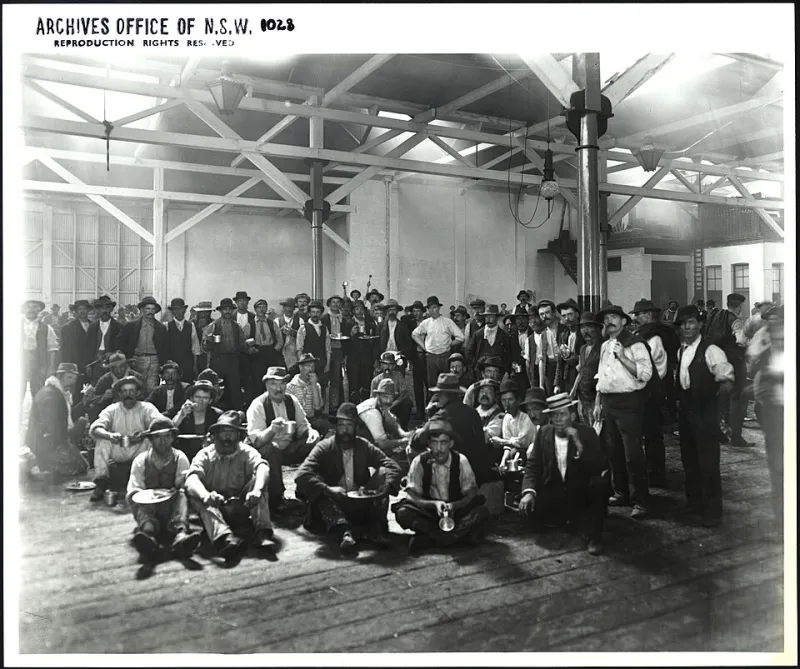
Photo: Photographic Collection from Australia, CC BY 2.0, via Wikimedia Commons
The lunchroom at the distribution center outside Fresno has a microwave, a folding table, and — since last spring — a battered three-ring binder labeled Casos in black marker. Inside it: printouts of NLRB filing forms, handwritten notes on statute of limitations deadlines, a photocopy of the National Labor Relations Act with key sections highlighted in yellow.
Every day at noon, workers gather around that binder and do something their bosses never imagined: they study. Not for a certification. Not for English class. They study how to sue.
El Expediente: The Case File Is the Meeting
Marisol Vega, 41, has worked in produce packing for nineteen years. She's also now the lead complainant in an unfair labor practice case she filed herself, pro se, after managers allegedly retaliated against coworkers who asked about union representation.
"Nobody believed I could do it," she says, laughing. "My cousin said, 'You need a lawyer who charges four hundred dollars an hour.' I said, 'I need a printer and my lunch break.'"
Vega's filing ran twenty-two pages. She drafted it in Spanish, translated the key sections with help from a volunteer at a weekend legal clinic, and mailed it certified to the NLRB regional office. It was accepted. An investigation followed. In March, the company settled — reinstating two fired workers and posting notices in both languages.
She's not an anomaly anymore.
The Free Clinic Revolution
The infrastructure behind this quiet wave is scrappy by design. Know-your-rights collectives and worker centers in California, Texas, Illinois, and Georgia have started running what they call clínicas de expediente — case-file clinics — where volunteer labor attorneys walk workers through NLRB form 501, help them gather witness statements, and explain what 'protected concerted activity' actually means.
The twist: the clinics are deliberately held during shifts and lunch hours, on-site or a block from the worksite. The message is baked into the scheduling. You don't need to quit your job, hire a firm, or wait for someone to save you. The hour your employer is legally required to give you? Use it.
"A grievance filed by the worker herself hits different," says one volunteer attorney who asked to remain unnamed because she still does corporate defense work. "It's not a lawyer's letterhead. It's a person saying, 'I read the law, and you broke it.'"
Three Workers, Three Filings
Beyond Vega, the pattern repeats. In a Texas warehouse, delivery driver Ernesto Salas filed after being disciplined for organizing a petition about broken air conditioning in 105-degree heat. His complaint, drafted during thirty-minute breaks in his car with a phone hotspot and a legal-aid PDF, led to a regional finding that the discipline was retaliatory.
In Illinois, greenhouse worker Rosa Itzel — who arrived from Guatemala six years ago — filed alongside four coworkers after union flyers were confiscated. Her group learned about the six-month filing window from a TikTok posted by a Chicago worker center, then raced the deadline together, each signing the same complaint.
None of the three speaks fluent English. All three now help others file.
Paperwork as Organizing
Here's what the consultants and the bosses both miss: the filing itself is the organizing. Gathering witness statements means knocking on doors. Explaining the complaint means teaching the law. Waiting for the regional determination means months of conversations in break rooms and parking lots about what a union could win.
By the time the NLRB acts — or doesn't — the workplace already has what the filing was really building: a crew that knows its rights and each other.
"The case is the excuse," Vega says. "The lucha is the lunch table."
What Comes Next
Labor organizers have long talked about 'self-advocacy' as a stopgap until lawyers arrive. This generation of workers is treating it as the destination. WhatsApp groups share filing templates. Worker centers post Spanish-language walkthroughs of regional NLRB procedures. The binder at the Fresno distribution center is on its second volume.
The revolution doesn't always arrive with a megaphone. Sometimes it arrives on a Tuesday, in a break room, on a form you filled out yourself — in the one hour of the day that belongs entirely to you.
La revolución vive. Y ahora tiene un expediente.