Ballots con Sabor: The New Wave of Latino Voters Bringing the Streets to the Precinct
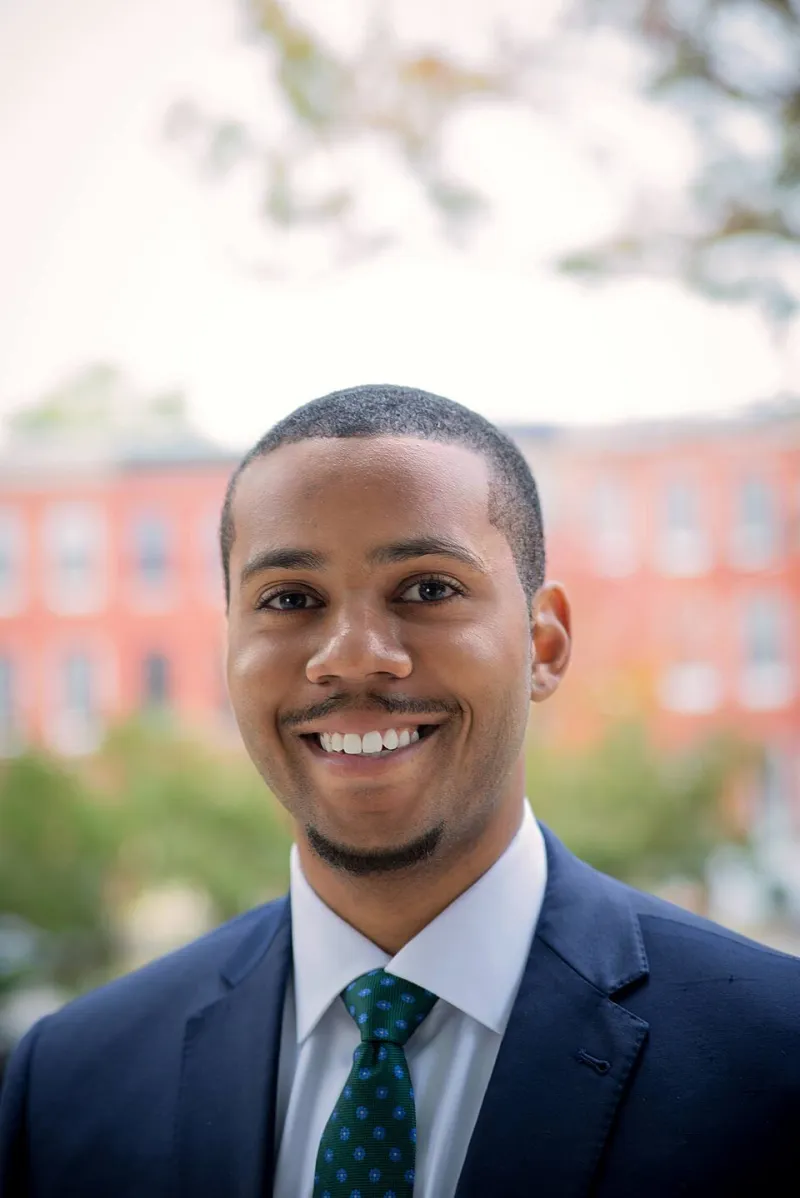
Photo: harrisforbaltimore.com, CC BY-SA 4.0, via Wikimedia Commons
There's a running joke among the young organizers of Nevada's Clárk County: they learned Robert's Rules of Order before they learned to drive.
Okay, not literally. But the generation of first-time Latino voters heading into the 2026 midterms came up through something most political consultants never experienced — the mass mobilizations of the last several years, when high schoolers organized walkouts over WhatsApp and college students ran mutual aid networks out of their apartments. They arrived at politics sideways, through the streets, and they're not leaving that formation at the door of the polling place.
The Playbook, Rewritten
So what does participation look like when it's filtered through movement DNA? We followed young bilingual activists in Nevada, Arizona, Pennsylvania, and Texas, and the pattern is striking. Here are seven ways they're changing the game:
1. Poll-watching as community defense. For many, the first formal political role wasn't a campaign internship — it was serving as a bilingual poll watcher or poll worker, treating election integrity not as a partisan talking point but as a form of protecting your neighbors.
2. School board runs. The most accessible elected office in America is suddenly the most contested battleground, and young Latino candidates — some barely old enough to have graduated from the districts they want to represent — are filing in record numbers.
3. Campaign staff, not just volunteers. The old model treated young people as door-knocking foot soldiers. The new one has 24-year-olds managing field programs and, increasingly, demanding campaigns speak Spanish with fluency, not translation apps.
4. Candidate accountability sessions. Borrowed straight from protest culture: instead of candidate forums, they're hosting auditorías públicas — public audits where candidates answer to the community's own agenda before earning endorsements.
5. Creator-driven voter education. Forget the mailer. The most effective voter guides this cycle are TikTok explainers and Instagram carousel posts breaking down down-ballot races in Spanglish.
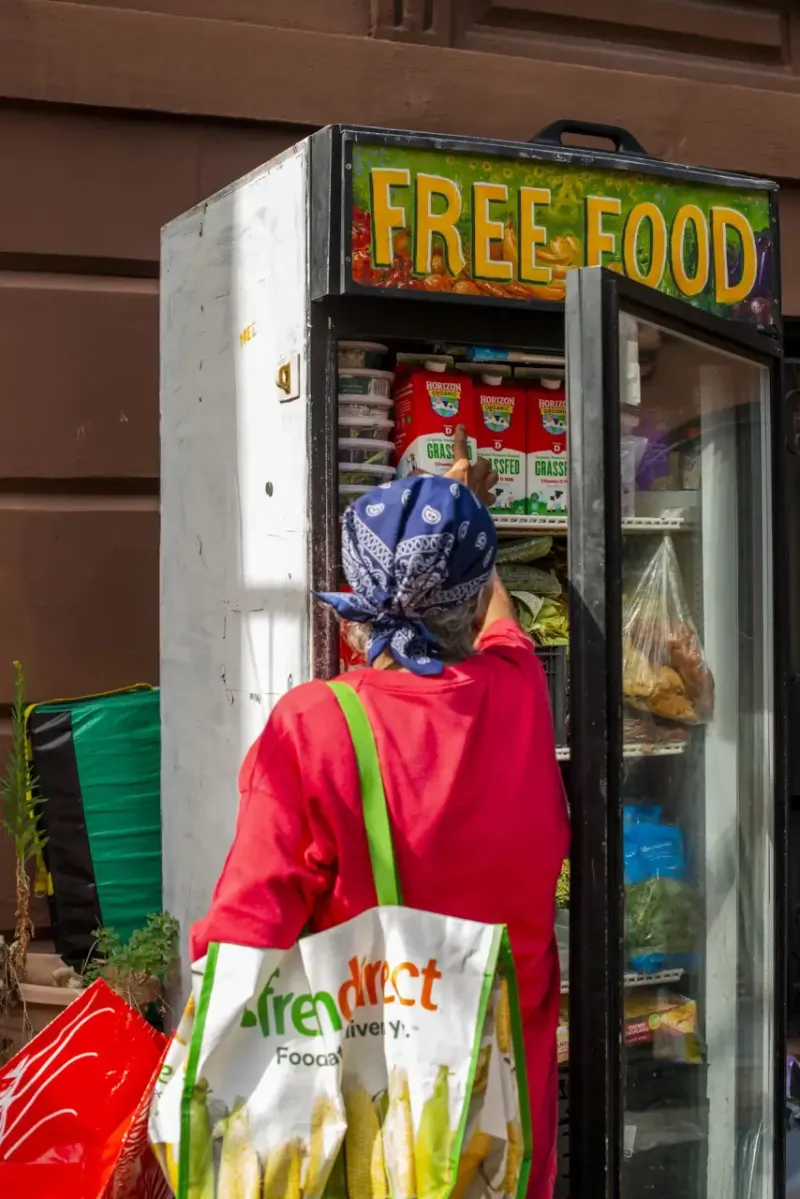
6. Mutual aid as GOTV. Networks built during the pandemic are quietly becoming turnout machines — not through pressure, but through trust. The people who brought you groceries during a crisis are the ones reminding you to vote.
7. Refusing the single-issue trap. Ask these voters about priorities and you won't get a neat answer. Housing, wages, climate, abortion access, and immigration are treated as one interconnected fight — and they're grading candidates accordingly.
The Tension Is the Point
Not everyone in the movement is cheering. There's real friction between radical energy and incremental politics, and it plays out in group chats and organizing meetings every week. Can you knock doors for a candidate who won't commit to defunding what needs defunding? Is a school board seat a stepping stone or a sellout?
The honest answer from the young people we spoke with: both, maybe. "I don't see it as selling out," says Daniela, 23, a former protest organizer now working field operations in the Lehigh Valley. "I see it as expanding the battlefield. The march was the megaphone. The precinct is the meeting."
There's a phrase her abuela uses that Daniela repeats like a mantra: paso a paso — step by step. It's not the language of revolution, exactly. But it might be the rhythm of one that intends to last.
La Revolución Vota
Here's what the 2026 playbook really reveals: this generation doesn't see a contradiction between the street and the ballot. They see a continuum. Protest sets the agenda; elections codify it. Mutual aid builds the trust; turnout expresses it.
Demographers will spend the next decade arguing about what the Latino vote "is." The young organizers rewriting the playbook would tell them they're asking the wrong question. The vote isn't a monolith to be decoded — it's a living thing, viva, shaped by the same hands that stocked fridges, marched in heat waves, and showed up for each other when institutions didn't.
The revolution isn't waiting for permission. This cycle, it's simply showing up — precinct by precinct, in two languages, with the receipts.