No Más Tacos, Queremos Contratos: Why the Politician's Photo Op Isn't Buying Anything Anymore
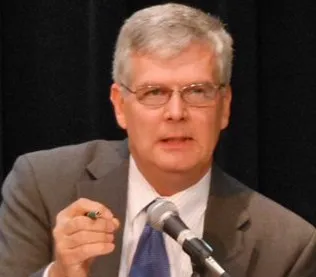
Photo: Lisacheese, CC BY-SA 4.0, via Wikimedia Commons
There's a scene that plays out every election cycle in Phoenix, in Allentown, in the Milwaukee suburbs: a candidate in a pressed shirt walks into a community event, orders from the food truck, poses for a photo with a smiling abuela, and cuts a check for a Spanish-language radio spot. Then they leave. And everyone in the room quietly knows that's the last time anyone will see them until the next election.
For decades, that was the whole strategy. Call it the taco tour. Call it the radio ad apology. Whatever you call it, Latino organizers are done pretending it's outreach.
The Receipts Era
"We stopped asking candidates to show up," says Marisol Vega, a organizer with a voter engagement collective in Nevada's Clark County. "Now we ask them to commit. In writing. Before they get a stage."
Vega's group is one of a growing number across the swing-state map — Arizona, Nevada, Pennsylvania, Georgia — that have adopted what they call a 'no platform, no podium' policy. Candidates who want an endorsement, a town hall invite, or even a quote in the group's voter guide have to answer a written questionnaire on wages, housing, healthcare access, and immigration enforcement. On the record. Signed.
The shift sounds small. It isn't. It flips the entire power dynamic of campaign outreach. Instead of communities auditioning for politicians' attention, politicians now audition for communities' trust — with their policy positions, not their pronunciation of '¡sí se puede!'
What the Old Playbook Assumed
The radio-ad-and-photo-op strategy worked because it assumed Latino voters were a passive bloc: reachable through Spanish-language media, movable by cultural flattery, and unlikely to punish a candidate who never delivered anything concrete. The ads said 'Yo entiendo sus valores.' The photos said 'One of us.' Neither said anything about a living wage.
That assumption is collapsing under the weight of demographics. Latino voters under 40 — now a majority of the bloc in most swing states — grew up here, consume most of their media in English, and have watched their families get promised things in two languages and delivered nothing in either.
"My dad listened to those radio spots and felt seen," says Diego Ramos, a 26-year-old canvass lead in Reading, Pennsylvania. "I listen to them and hear a translation of a promise that was never made to us in the first place."
The Endorsement Gets a Gate
The new discipline is reshaping how campaigns allocate resources. In Arizona, at least two statewide campaigns in recent cycles redirected field budgets away from symbolic events and toward policy briefings with community coalitions after learning that endorsements required more than presence. In Nevada's culinary-heavy union corridors, candidates routinely sit for hours-long sessions with worker committees before any public appearance is scheduled.
Organizers describe it as moving from 'access' to 'accountability.' A candidate can still buy the radio spot. What they can't buy anymore is the endorsement that comes with it.
Not everyone loves the new rules. Some longtime party operatives grumble that written commitments 'box in' candidates, and a few community groups worry the questionnaire model favors the biggest, best-organized coalitions over smaller ones. Those are real tensions. But the core demand — that a community of millions deserve policy, not performance — is hard to argue with for long.
Why This Is the Revolution Working
Here's what excites us at Revolución Viva about this shift: it didn't come from a consultant, a think tank, or a national memo. It came from the same kitchens, break rooms, and citizenship classrooms this site has covered for years. People who learned to organize around a bail fund or a rent strike simply applied the same logic to electoral politics: no meeting without an agenda, no solidarity without receipts.
La revolución vive in the moment a candidate realizes the photo op is no longer the product — the policy is. That's not cynicism. That's a community growing up politically, and dragging the political class along with it.
The taco photo will probably survive. Campaigns love a good photo. But increasingly, it's the dessert, not the meal. And Latino voters, finally, are being served first.