Scanner in One Hand, History in the Other: The Volunteers Racing to Save the Movement's Memory
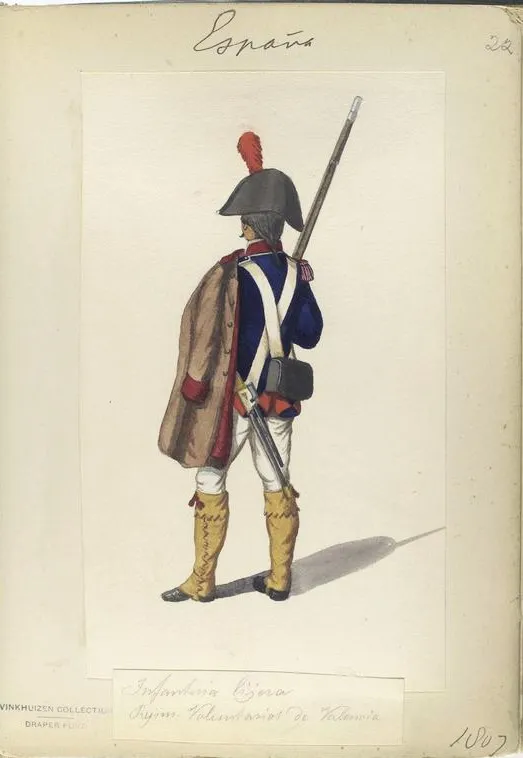
Photo: Vinkhuijzen, Hendrik Jacobus, Public domain, via Wikimedia Commons
There's a filing cabinet in the back room of a community center in Fresno that holds the movement's memory. Inside: forty years of Spanish-language newsletters, hand-typed rally announcements, and a shoebox of cassette tapes labeled in ballpoint pen — huelga, 1978, marcha por los derechos, 1981. Until last year, nobody had opened that cabinet in a decade.
Now a rotating crew of volunteers meets every Saturday with a flatbed scanner, a cassette deck from eBay, and a shared Google Drive folder. They call themselves el archivo vivo — the living archive. And they're part of something bigger happening quietly across the country, from Chicago's Pilsen neighborhood to the barrios of San Antonio: today's organizers digitizing the paper trail of past Latino movements before it crumbles for good.
Why the Paper Is Disappearing Faster Than You Think
Mimeograph ink fades. Newsprint yellows and flakes. Cassette tapes — the medium where so much of the movement's actual voice lives, the speeches, the songs, the strategy sessions recorded on cheap decks — degrade every year, magnetism slowly bleeding away. Archivists call it "format obsolescence." The volunteers in Fresno call it something simpler: se nos va — it's slipping away from us.
The urgency isn't abstract. In the last five years, at least three regional Latino civil rights collections have been damaged by flooding or thrown out entirely when aging founders passed away and their families, unsure what to do with boxes of old flyers, sent them to the curb. Every lost box is a lost lesson.
The Archive as a Playbook, Not a Museum
Here's what makes this work different from a traditional library project: the people doing the scanning aren't preserving history about the movement. They're preserving history for it.
Open one of those old newsletters and you'll find a bilingual organizing guide that could have been written last month. How to run a house meeting. How to talk to a scared coworker about joining a walkout. How to respond when the boss calls immigration — a tactic documented in a 1975 flyer in almost identical language to what warehouse organizers are printing today.
"We kept reinventing the wheel," says one volunteer, a 29-year-old union steward who started scanning after realizing her contract campaign was repeating strategies she later found in a 1982 boletín. "The wheel was right there. In Spanish. In a box."
That's the quiet argument of the archive projects: movements that forget their own tactics start from zero every generation. And the opposition doesn't. Landlords, employers, and legislatures have institutional memory — precedent, case law, think tanks. Community movements have filing cabinets in church basements.
What the Cassettes Are Teaching
The recordings might be the most valuable material of all. On one digitized tape from a 1980 rally in the Central Valley, you can hear a veteran organizer doing something modern activists spend thousands on consultants to learn: the pivot from grievance to demand. She doesn't just name the problem. She tells the crowd exactly what to do on Monday morning, who to call, and where to show up.
Volunteers say these recordings have become unofficial training material. A young organizing collective in Denver now plays clips at their onboarding sessions. Not for inspiration — for instruction.
Saving History Is Organizing, Too
There's also something the scanners didn't expect: the archival work itself builds the movement. Every Saturday session becomes a living-rooms-style gathering. Elders who come to drop off boxes stay to identify faces in photographs. Teens who show up for volunteer hours leave with names, stories, and phone numbers of people who marched before they were born.
One volunteer put it plainly: "The archive is a front door. People come for the history and stay for the meeting."
The Stakes of Forgetting
Every movement is vulnerable to the story that it started yesterday — that today's demands are new, unreasonable, un-American. The archive says otherwise. It says the fight for bilingual ballots, for farmworker dignity, against wage theft and deportation raids, has been running for generations, in Spanish, in this country, and winning.
That's why the work matters. Not nostalgia — continuity. A movement that knows its own history doesn't just honor its elders. It inherits their strategy.
La revolución vive. And now, thanks to a scanner and a shoebox of cassettes, so does the record of how it's been fought before.